
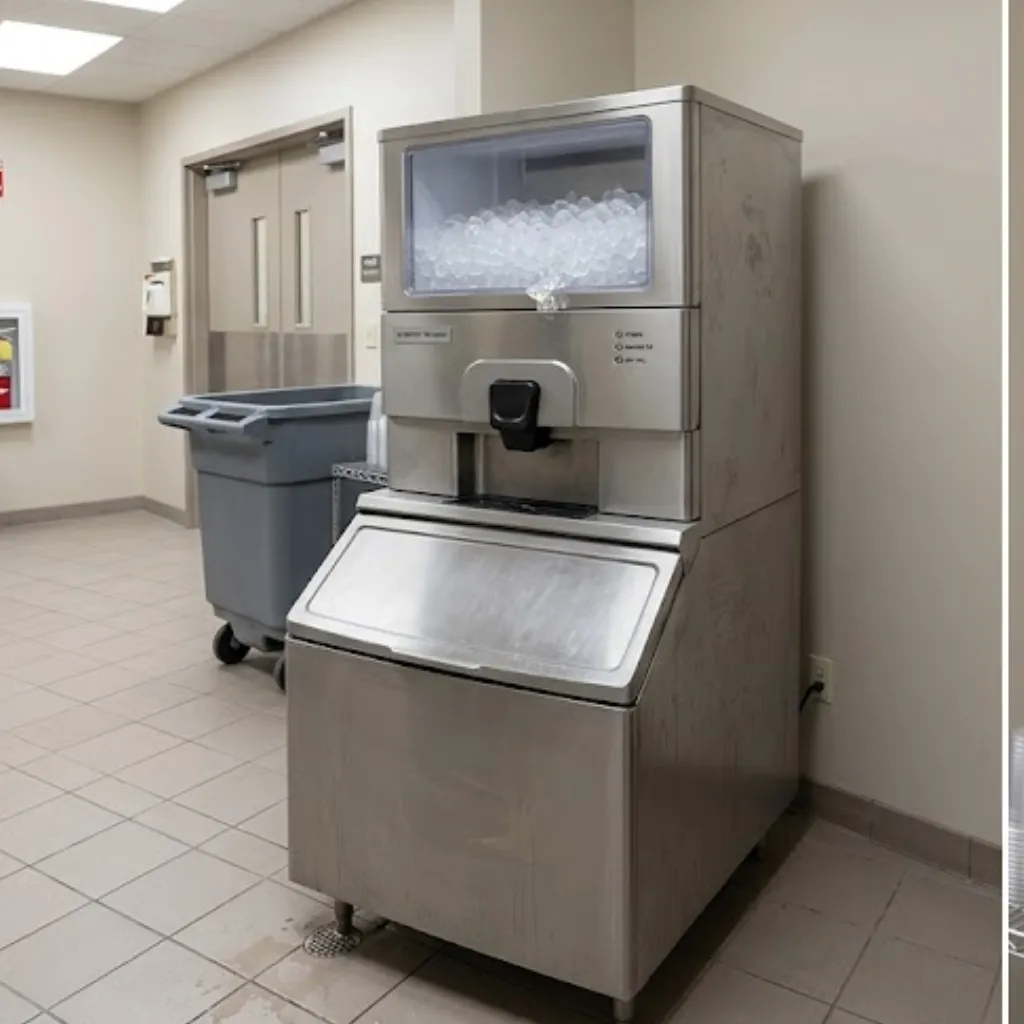
Learn How to Descale an Ice Machine
If your ice has turned cloudy, your machine sounds louder than usual, or production has slowed to a crawl, scale buildup is probably the reason. Knowing how to descale an ice machine can save you from bigger repair bills down the road, but it's not always a simple DIY job, especially on a commercial unit.
Here on Oahu, water quality varies quite a bit from neighborhood to neighborhood, and that variation affects how fast scale forms inside your machine. This guide walks you through what causes buildup, how to recognize it early, and when descaling is a task best left to a professional.
How to Descale an Ice Machine and Why It Matters
Descaling removes the mineral deposits, mainly calcium and magnesium, that collect on the internal parts of your ice machine over time. These deposits build up on the evaporator plate, water lines, and sensors, and they act almost like insulation, forcing your machine to work harder to make the same amount of ice.
Left alone, scale doesn't just slow things down. It can cause your ice machine to produce smaller, misshapen cubes, run through more water per batch, and eventually strain the compressor enough to shorten its lifespan.
That's why learning how to descale an ice machine matters even if you never plan to do the job yourself. Understanding the process helps you recognize when your equipment needs attention and gives you a better sense of what a technician is actually doing when they service your unit.
Signs Your Ice Machine Needs Descaling
Your ice machine usually tells you something is wrong before it stops working altogether. Cloudy or oddly shaped cubes are often the first clue, since scale interferes with how water freezes against the evaporator surface.
A noticeable drop in ice output is another sign worth paying attention to. If your machine used to fill the bin overnight and now struggles to keep up during a normal shift, mineral buildup could be restricting water flow.
Listen to your machine, too. A compressor that runs longer or louder than it used to often means it's fighting against scale-coated components rather than a simple case of ice production slowing down without cause.
What Causes Scale Buildup in Your Ice Machine
Scale forms because water isn't pure H2O. It carries dissolved minerals, and calcium and magnesium are the two main culprits behind hard deposits. As your ice machine cycles water through its system and freezes it into cubes, those minerals get left behind on interior surfaces.
Over months of regular use, that thin mineral layer thickens into a crust that's tough to remove without the right approach. The harder your water supply, the faster this process happens.

Hard Water and Mineral Deposits on Oahu
Water hardness on Oahu isn't uniform across the island. Some neighborhoods draw from sources with relatively low mineral content, while others deal with noticeably harder water that leaves deposits behind faster.
If you've never had your water tested and you're not sure where your business falls on that spectrum, it's worth asking a technician to check next time your machine is serviced. Knowing your water hardness helps you set a realistic descaling schedule instead of guessing.
How to Descale Ice Machines Step by Step
At a high level, descaling follows a similar pattern across most machines. You shut the unit down, apply a descaling solution approved for your specific model, let it work on the mineral deposits, then rinse the system thoroughly before bringing the machine back online.
That's the general idea, but the details matter more than they might seem. Every manufacturer has specific guidance on dilution ratios, contact time, and which materials are safe to use inside their machines. Skipping your manual and improvising is where most descaling mistakes happen.
DIY Descaling Basics for Small Units
If you operate a small, lightly used ice machine, some routine cleaning may be manageable on your own. This usually means following your manufacturer's instructions closely, wearing gloves and eye protection, and never mixing cleaning products without checking compatibility first.
Even then, pay close attention to rinse instructions. Any descaling solution left behind can affect ice taste and, in some cases, damage internal components if it isn't fully flushed out.
Why Commercial Machines Need Professional Descaling
Commercial ice machines are a different story. They have more internal components, higher water volume moving through the system, and often stronger buildup given how much ice they produce daily.
A wrong concentration or the wrong type of descaler can damage nickel-plated or stainless components that keep your machine running safely and sanitarily. Get it wrong, and you could be looking at a repair bill that costs more than routine maintenance would have in the first place.
This is exactly why we recommend calling a professional for commercial descaling rather than treating it as a weekend project. A trained technician knows how to descale an ice machine without risking damage to parts that are expensive to replace.
How Often to Descale an Ice Machine
Descaling frequency depends on your water hardness and how often your machine runs. As a general guideline, many commercial machines benefit from professional cleaning and descaling every three to six months.
Businesses in areas with harder water, or those running their machines at high volume, often need more frequent attention. If you're already noticing signs of scale buildup between scheduled visits, don't wait for your next appointment. Tightening your maintenance schedule now costs far less than replacing a compressor later.
When to Call a Professional for Ice Machine Maintenance
Your ice machine is an investment, and how you maintain it directly affects how long it lasts. Regular professional maintenance catches scale buildup early, before it turns into a production problem or a costly repair.
Pacific Ice Services has worked on ice machines across Oahu, and our EPA certified technicians are familiar with the specific water conditions and maintenance needs local businesses deal with. Whether you need a one-time descaling or ice machine repair visit or want to set up a regular maintenance schedule, we can help you keep your machine running the way it should.
If it's been a while since your last service, reach out to Pacific Ice Services and let's talk about what your machine needs.
